
Can I Sue for Wrongful Termination?
What Employees in Alabama and Georgia Need to Know
Losing your job unexpectedly can be stressful, confusing, and financially devastating. If you were fired and believe it was unfair, you may be asking: Can I sue for wrongful termination?
For employees in Alabama and Georgia, the answer may be yes—if your employer terminated you for an illegal reason.
While both states generally follow at-will employment, employers still cannot fire workers in violation of federal or state law.
What Is Wrongful Termination?
Wrongful termination occurs when an employer fires an employee for an unlawful reason, such as discrimination, retaliation, or violating public policy.
“At-will employment” means an employer can usually terminate employment at any time, with or without cause.
However, it does not allow an employer to fire someone for illegal reasons.
Common Reasons You May Be Able to Sue For Wrongful Termination
You may have a legal claim if you were fired because of:
1. Workplace Discrimination
Federal law prohibits firing employees because of protected characteristics, including:
Race
Color
Religion
Sex
Pregnancy
National origin
Disability
Age (40+)
Sexual orientation
Gender identity
If bias played a role in your termination, you may have a claim.
2. Retaliation
Your employer cannot legally fire you for exercising protected rights, such as:
Reporting harassment
Complaining about discrimination
Reporting unpaid wages or labor violations
Requesting accommodations for disability
Participating in an investigation
Reporting illegal workplace conduct
Retaliation is one of the most common forms of wrongful termination.
Signs You May Have Been Wrongfully Fired
Common warning signs include:
You were terminated soon after filing a complaint.
Management suddenly changed its explanation.
You had positive performance reviews before firing.
Others were treated differently for the same conduct.
You were targeted after reporting misconduct.
Discriminatory comments were made before termination.
Can You Sue in an At-Will State Like Alabama or Georgia?
Yes. Even though Alabama and Georgia are at-will employment states, employers still must follow federal and applicable state laws.
At-will employment does not protect illegal discrimination or retaliation.
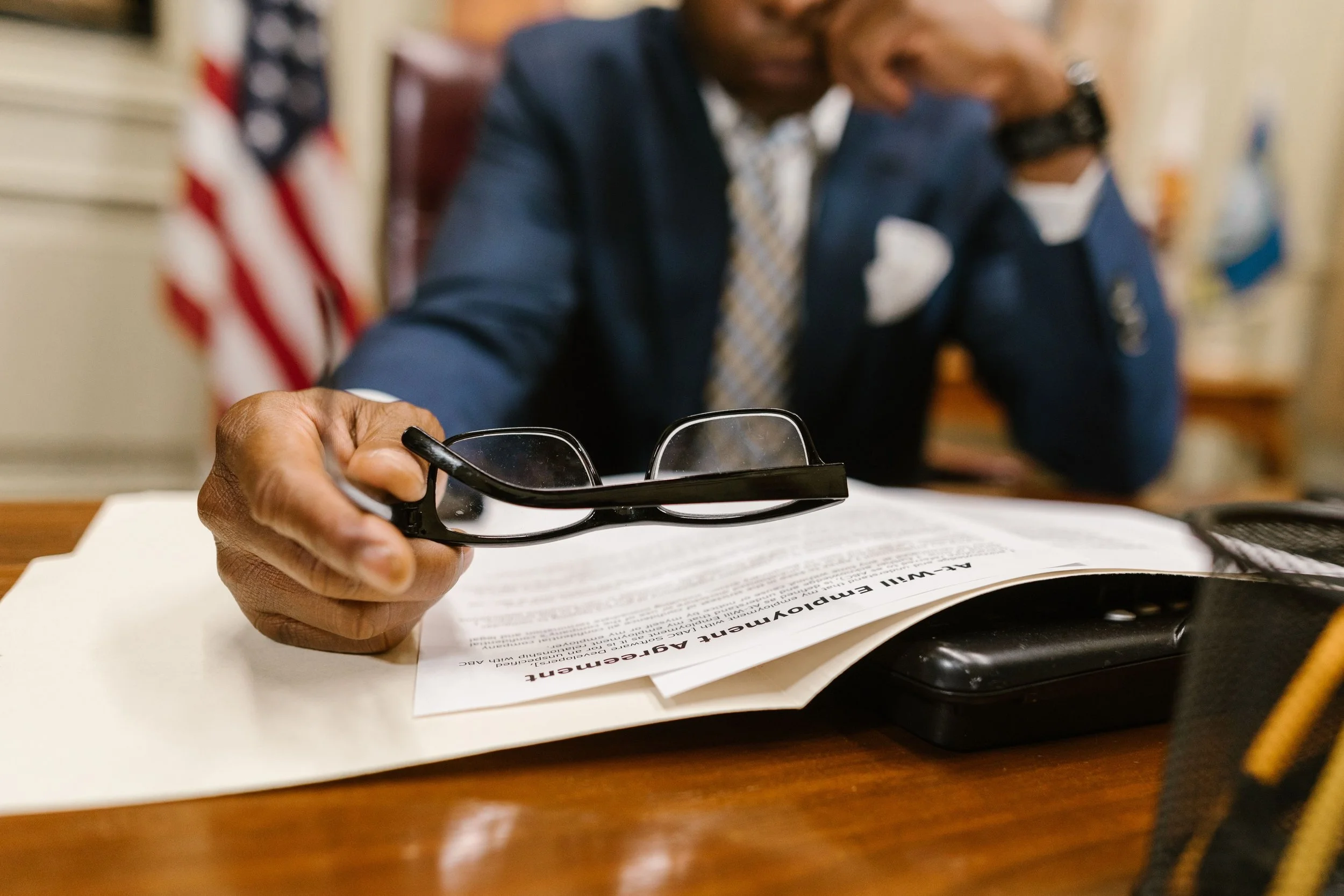
An example of at-will employment agreement. Alabama and Georgia are at-will employment states.
What Compensation May Be Available?
Depending on your case, you may be able to recover:
Lost wages
Future lost earnings
Emotional distress damages
Attorney’s fees
Punitive damages in some cases
Settlement compensation
Every claim depends on the facts, evidence, and applicable law.
What Should You Do After Being Fired?
If you believe your termination was unlawful, immediately:
Save emails, texts, performance reviews, and HR complaints.
Write down names, dates, and what happened.
Preserve severance or termination paperwork.
Do not sign agreements without review.
Contact an employment attorney promptly.
Legal deadlines may apply.
Why Speaking With an Employment Lawyer Matters
Wrongful termination cases often involve evidence employers do not voluntarily disclose. An attorney can help investigate your claim, protect your rights, negotiate settlement, or pursue litigation when necessary.
Speak With Porcha Anthony Davis
If you were wrongfully fired in Alabama or Georgia, Porcha Davis Law helps employees fight unlawful workplace treatment and seek justice.
Request a Free Consultation Today
Contact Porcha Davis to discuss your wrongful termination case confidentially.